










Quokkas, often dubbed as the "happiest animals in the world," are small marsupials that have captured the hearts of people around the globe.
The quokka are animal creatures native to Australia and known for their perpetually cheerful disposition, which has earned them a special place in pop culture and social media.
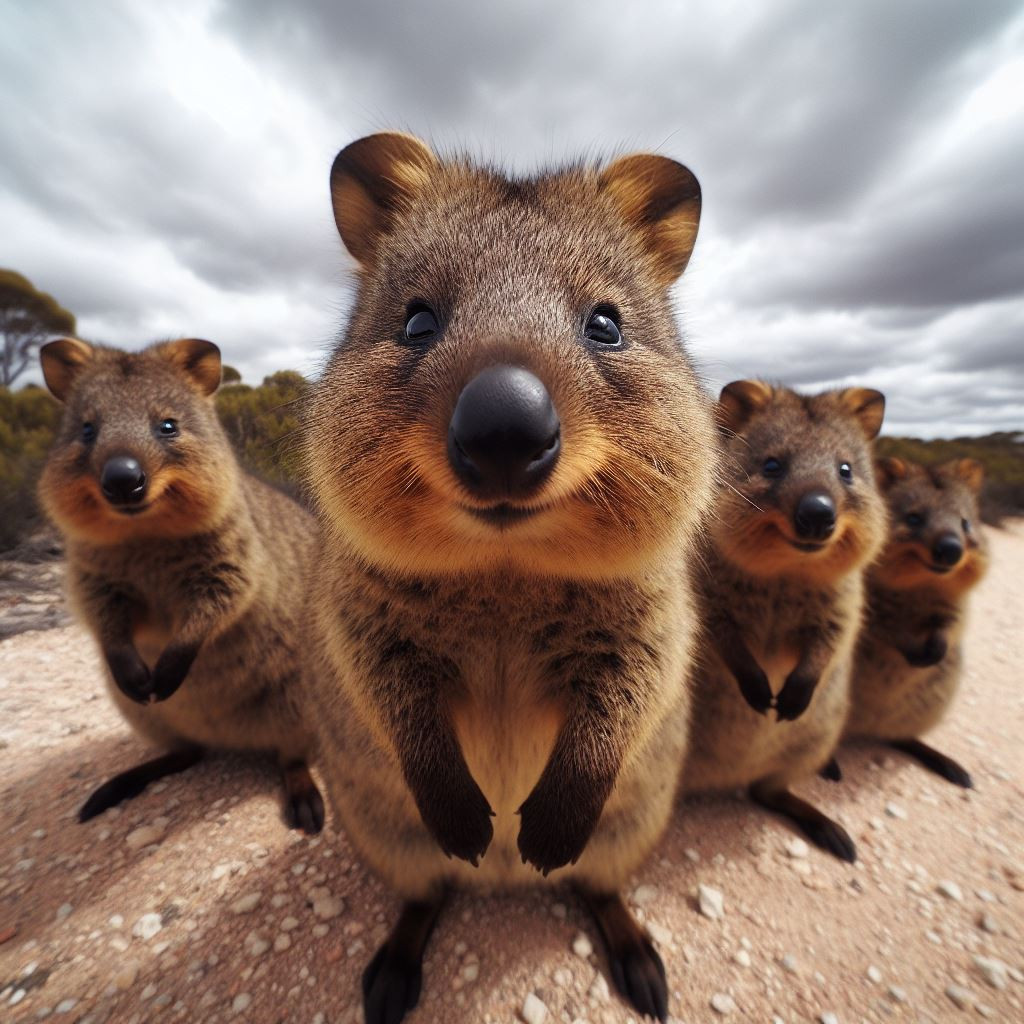
The Quokkas Habitat
Quokkas primarily inhabit the southwest region of Australia, particularly on islands like Rottnest Island and Bald Island. Quokka's habitat consists of dense vegetation, providing them with ample shelter and food sources. These islands are isolated from mainland Australia, which has helped protect the Quokka population.
The Adorable Appearance of Quokkas
Quokkas are small, with an average height of about 16 inches and a weight of 5-11 pounds. They have round faces, small ears, and a short, stumpy tail. What truly sets them apart is their seemingly smiling expression, with a curved mouth that gives them an irresistibly happy appearance.
Quokka Behavior
These marsupials are known for their friendly and sociable nature. They are often seen in groups, engaging in playful interactions with each other. Quokkas are primarily herbivorous and spend their time foraging for food, which includes leaves, stems, and various plants.
Quokkas and Humans
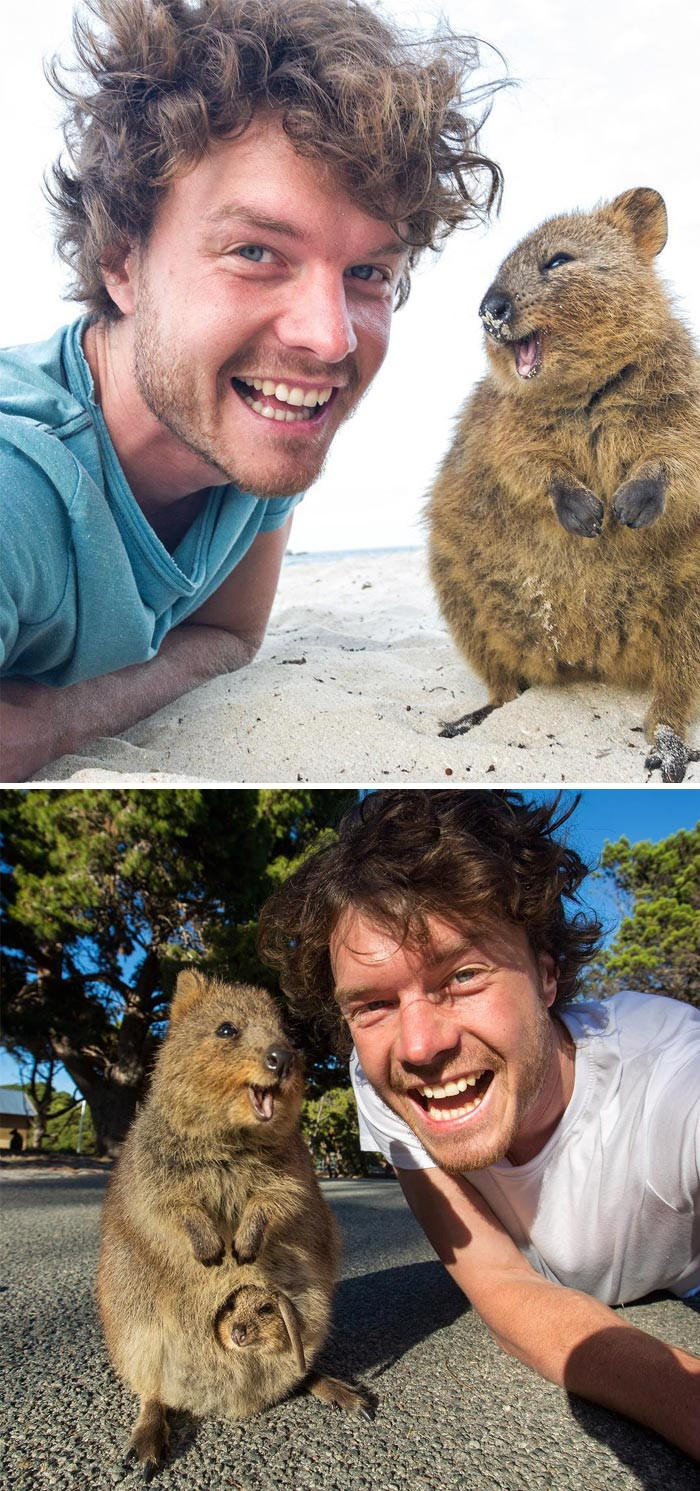
Quokkas have gained significant attention from humans, especially in recent years due to the "Quokka selfie" trend. Tourists and locals alike are drawn to these charming creatures, taking selfies with them when visiting their habitats. However, it's essential to remember the importance of maintaining a respectful distance and not disturbing their natural behaviors.
The Quokka Diet
Quokkas are herbivores and have a varied diet. They feed on a range of vegetation, including grasses, succulents, and leaves. Their ability to extract moisture from their food allows them to survive in arid conditions.
Reproduction and Lifecycle
Quokkas have a unique reproductive cycle, with females giving birth to a single offspring after a month-long gestation period. The young Quokka, known as a joey, resides in its mother's pouch for several months before becoming independent. Their lifespan in the wild is around 6-10 years.
Conservation Status
Quokkas are currently classified as a vulnerable species. Although their population is relatively stable on some islands, they face threats from habitat loss and introduced predators. Conservation efforts are underway to protect their habitats and raise awareness about their conservation needs.
The Quokka's Unique Smile
The Quokka's smile is not just a delightful expression; it's also a result of their unique facial structure. Their cheekbones are positioned in a way that gives the appearance of a perpetual grin, making them a symbol of happiness.
Quokkas in Pop Culture
These adorable marsupials have made appearances in various forms of media, including movies, books, and social media. Their photogenic nature and joyful appearance have made them internet sensations, with countless Quokka selfies shared on platforms like Instagram.
Quokka Tourism
Many tourists flock to Quokka-inhabited islands to witness these creatures up close. While Quokka tourism can provide economic benefits to the region, it's crucial to practice responsible tourism to minimize disruption to their natural behaviors and habitat.
Quokka Conservation Organizations
Several organizations, such as the Rottnest Island Authority, are actively involved in Quokka conservation. By supporting these organizations, individuals can contribute to the protection of these unique creatures.
Quokkas as a Symbol of Happiness
Quokkas have become a symbol of happiness worldwide. Their cheerful demeanor and constant smiles have even led to them being dubbed "the world's happiest animals." The sight of a Quokka can brighten anyone's day.
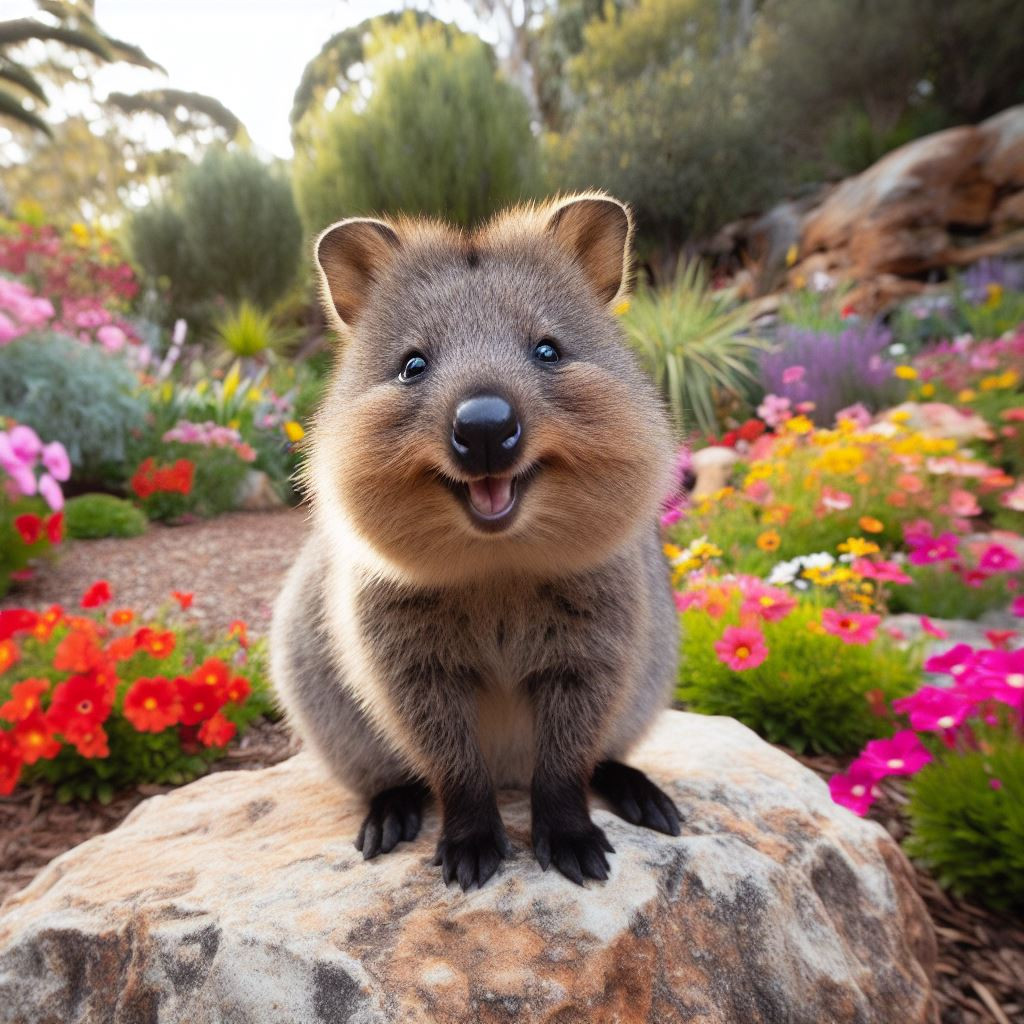
Fun Facts About Quokkas
- Quokkas are nocturnal animals, meaning they are most active at night.
- They can survive without drinking water for extended periods by obtaining moisture from their food.
- Quokkas are herbivorous, but they occasionally consume small insects.
- These marsupials are excellent swimmers and can dive into the water to escape predators.
- Quokkas are surprisingly agile climbers, allowing them to access food in trees and shrubs.
Conclusion
Quokkas are undeniably some of the most charming and delightful creatures on our planet. Their constant smile and friendly demeanour have made them beloved by people from all walks of life. While they may be the "happiest animals in the world," it is our responsibility to ensure their continued happiness by protecting their natural habitats and preserving their unique place in the animal kingdom.
FAQs
1. Are Quokkas really always smiling?
Yes, Quokkas have a natural facial structure that gives them a perpetual grin, which has earned them the reputation of being "always happy."
2. Can I take a selfie with a Quokka?
Yes, you can take a selfie with a Quokka if you visit their habitat, but it's crucial to maintain a respectful distance and not disturb them.
3. Are Quokkas endangered?
Quokkas are classified as a vulnerable species, facing threats from habitat loss and introduced predators. While their population is relatively stable on some islands, conservation efforts are in place to protect their habitats and ensure their survival.
4. Where can I see Quokkas in the wild?
Quokkas are primarily found on islands off the southwest coast of Australia, with Rottnest Island being one of the most famous locations to observe them in their natural habitat.
5. How can I support Quokka conservation?
You can support Quokka conservation by donating to organizations dedicated to their protection, practicing responsible tourism when visiting their habitats, and spreading awareness about the importance of preserving their unique species.
Essential reading: "20 Roundest birds in the world|2023"