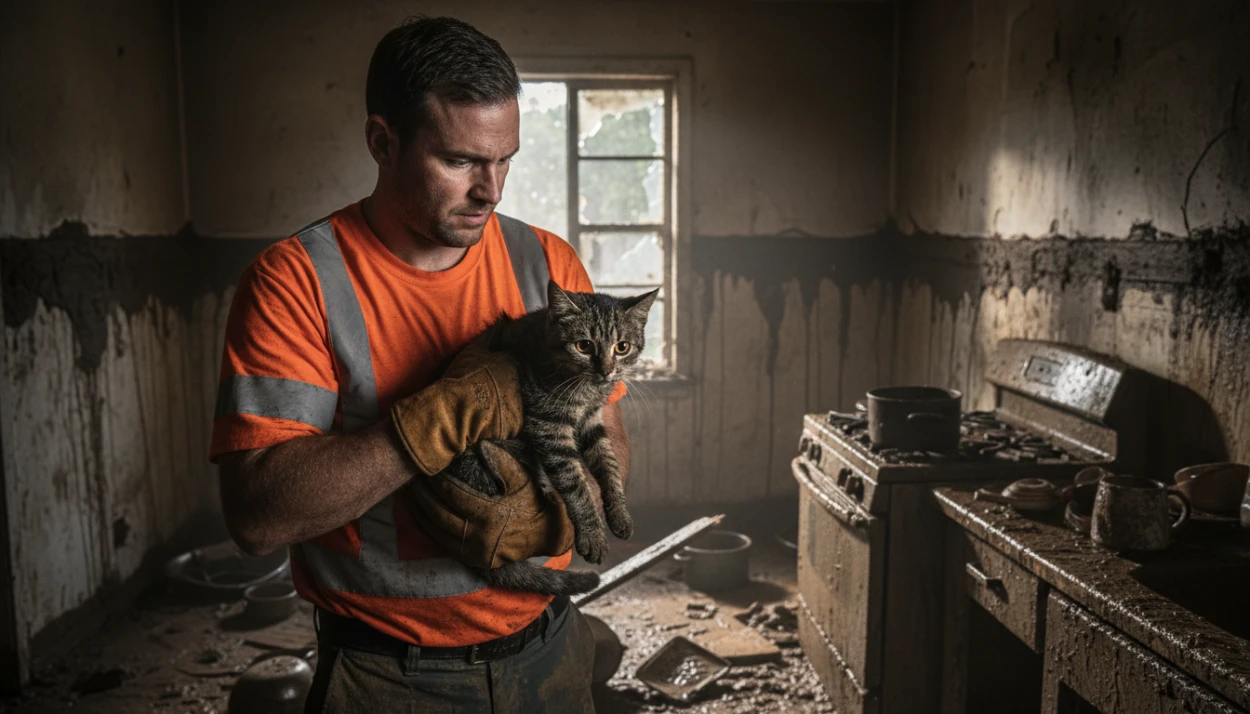












Discover the 10 most dangerous domestic cat breeds, their unique traits, and tips for handling them safely. Perfect guide for cat lovers and potential owners.
Domestic cats are often seen as friendly companions, but some breeds are more assertive, energetic, or unpredictable. Understanding these traits helps ensure a safe and harmonious home. Here’s a detailed guide to the 10 most dangerous domestic cat breeds, now with extended details:
1. Savannah Cat
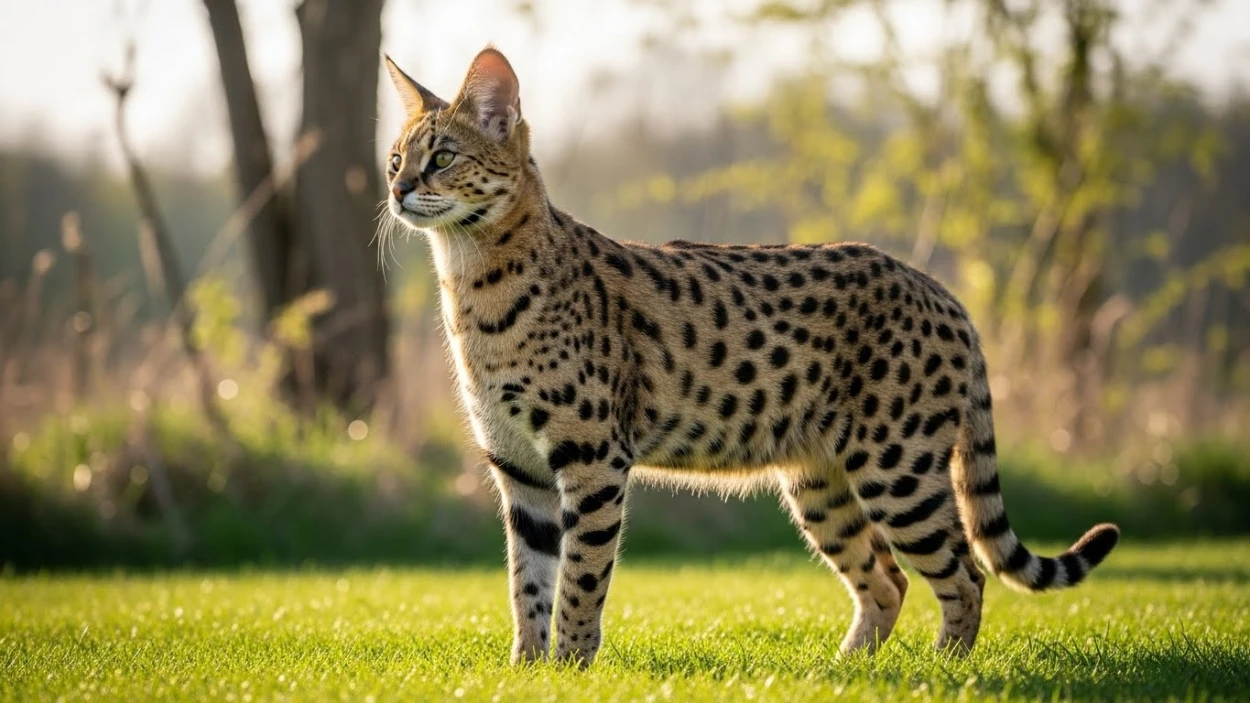
A hybrid of domestic cats and African servals, Savannah's are large, strong, and extremely energetic. Their wild instincts make them unpredictable, especially around strangers. These cats can jump up to 8 feet high, open doors, and escape small spaces easily. Because of their wild ancestry, they need plenty of physical activity, mental stimulation, and an owner who understands advanced feline behavior. If bored or stressed, a Savannah may show territorial or aggressive reactions.
2. Bengal Cat
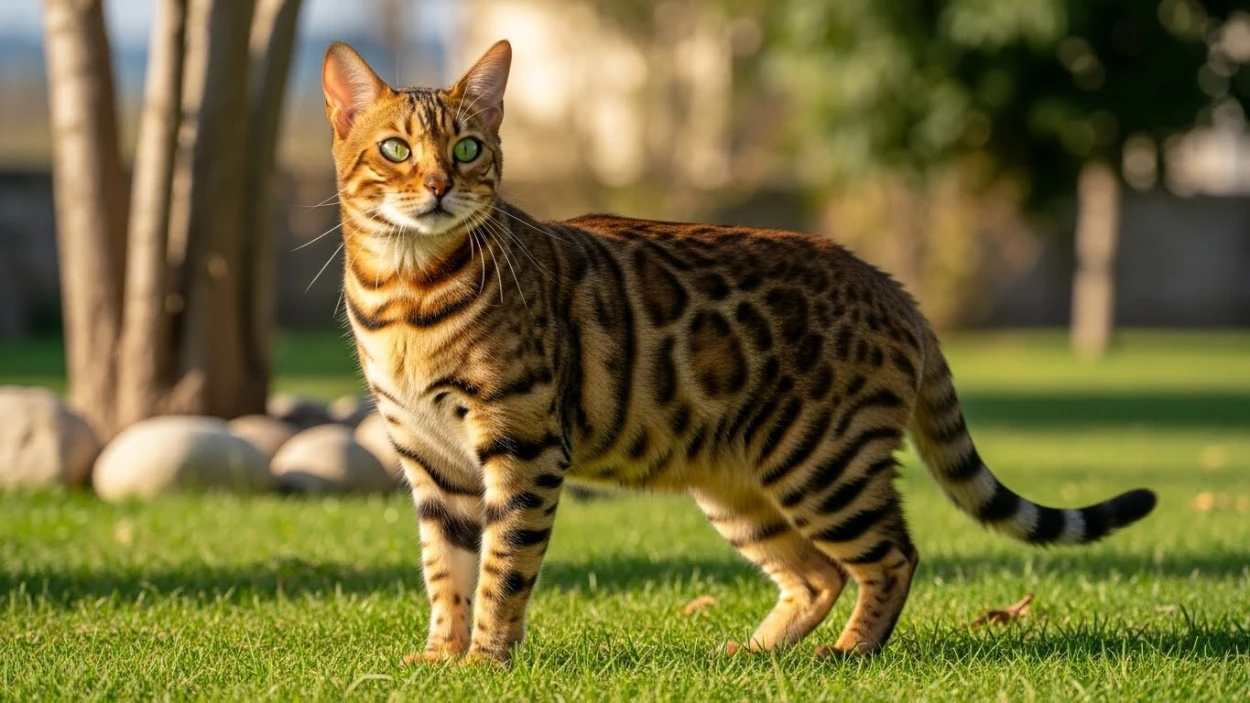
Bengals are smart, athletic, and naturally curious. Bengal's leopard-like appearance also comes with strong predatory instincts. Without enough stimulation—climbing, running, and interactive play—they can become aggressive, vocal, or destructive. Bengals are also known for their “wild bursts” where they run at high speed, leap on furniture, and sometimes bite during play. Proper training and a high-energy environment are essential.
3. Chausie

The Chausie is a hybrid of domestic cats and jungle cats, making them muscular, fast, and powerful. They are highly intelligent and require a lot of physical space. These cats can become destructive if they feel restricted. Due to their wild heritage, they may not tolerate being held or handled for long periods. Chausies bond deeply with their main owner but may act defensive toward unfamiliar people.
4. Siamese Cat

Siamese cats are extremely social, vocal, and emotionally expressive. Their loud meows often reflect their mood—whether happy, irritated, or demanding attention. They can become territorial and jealous if they feel ignored. A Siamese deprived of attention may scratch, bite, or show behavioral issues. They thrive in homes where there is constant interaction and mental stimulation.
5. Oriental Shorthair

Closely related to the Siamese, Oriental Shorthairs are intelligent, active, and highly sensitive. They require emotional connection and do not like being left alone for long periods. If bored, they may knock items over, scratch furniture, or behave aggressively out of frustration. Their sharp intelligence makes them skilled escape artists and troublemakers if not properly entertained.
6. Maine Coon
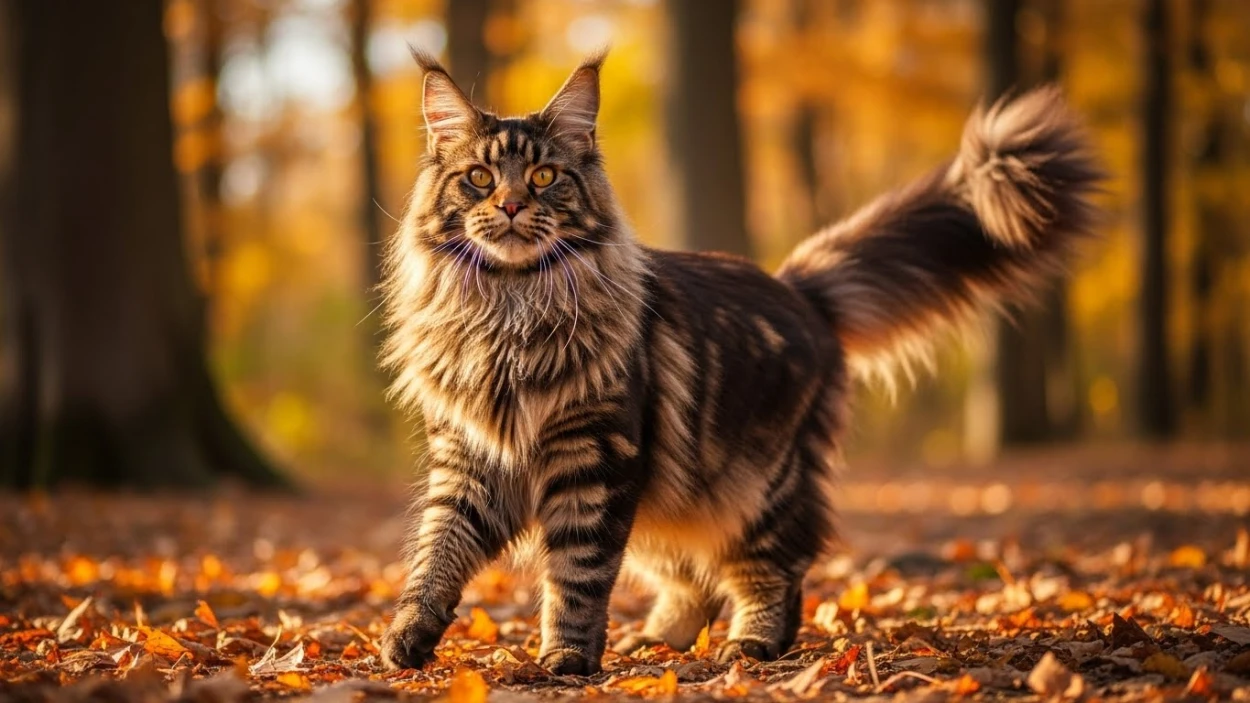
Although usually gentle, the Maine Coon’s massive size (up to 25 pounds) can make them dangerous unintentionally. Their strength means even playful swatting or pouncing can hurt. Since their facial expressions are subtle beneath their thick fur, it can be hard to read their warning signals. If stressed or threatened, their defensive actions can feel powerful compared to smaller breeds.
7. Abyssinian
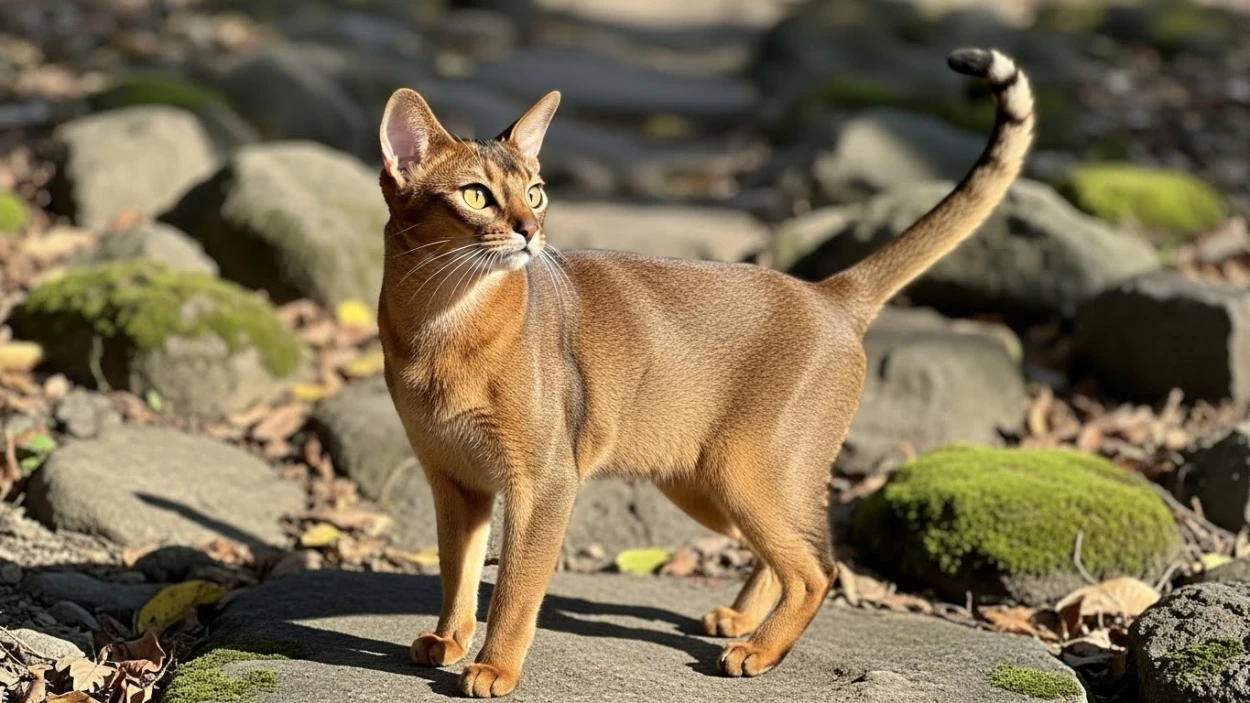
Abyssinians are energetic, bold, and fearless explorers. They climb tall furniture, investigate every corner, and often chase smaller pets around. Because of abyssinian's hyperactive nature, they may become irritated or aggressive if confined or overstimulated. Their sharp claws and lightning-fast reflexes mean accidental scratches are common during play.
8. Sphynx

The Sphynx is affectionate but emotionally sensitive. They rely heavily on human contact and get stressed easily when routines change. Due to their lack of fur, they can feel discomfort quickly—cold, heat, or overstimulation—leading to biting or scratching. These cats need constant companionship and structured care to stay balanced and happy.
9. Turkish Van
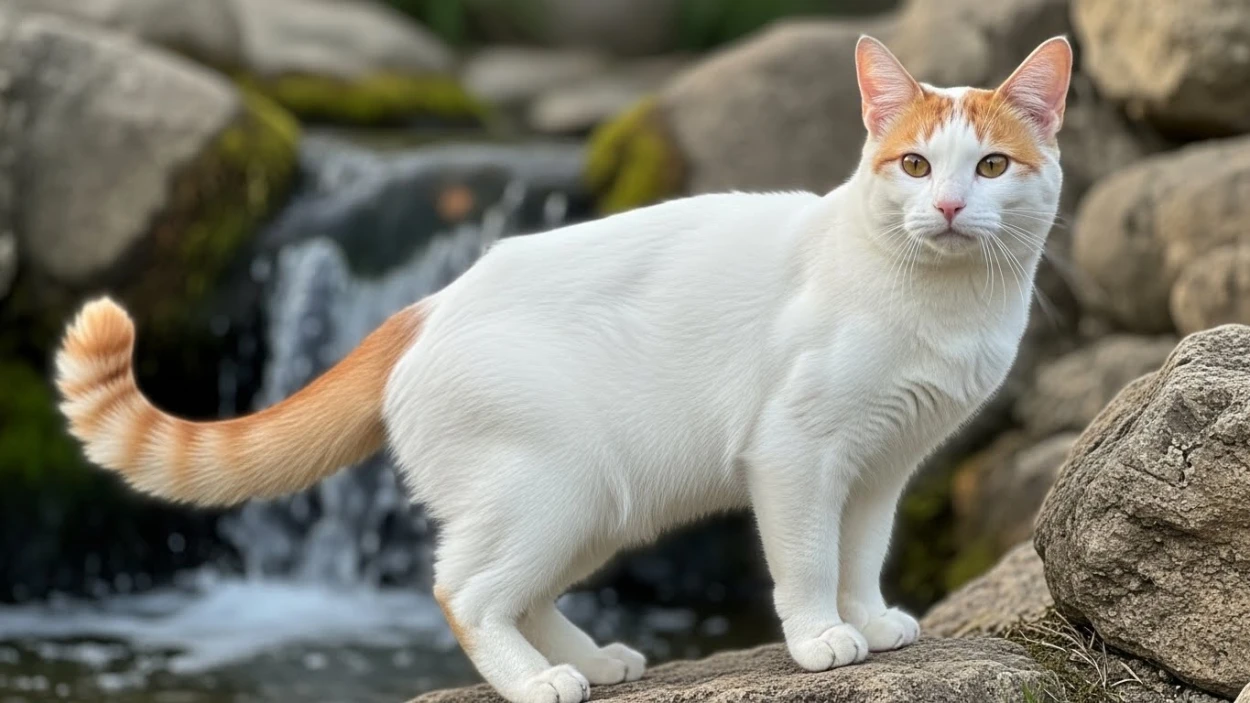
Known as the “swimming cat,” the Turkish Van is athletic, daring, and strong-willed. They have powerful back legs that allow them to jump very high. This breed does not always enjoy being held or restrained, and may scratch if forced. They are highly territorial and can show dominance over other pets. Proper socialization is necessary to prevent aggressive outbursts.
10. Peterbald

Peterbald cats are loving but extremely active and emotionally expressive. They can become anxious if left alone or exposed to sudden changes. Their curiosity often leads them into dangerous situations like climbing unstable objects, squeezing into tight spaces, or knocking things over. Without proper training and boundaries, their energy can turn into unpredictable behavior.
Conclusion
Most domestic cats are safe with proper care, training, and socialization. However, breeds with wild ancestry or high energy levels require knowledgeable owners who understand feline behavior. Choosing the right cat breed—and providing the right environment—can ensure a peaceful and loving relationship.